- 1
Book a late-morning start so your paella lands on the table between 2 and 4 pm, the hour Valencia eats lunch.
- 2
Sundays and holidays skip the market and hand the time to the kitchen instead, so no day is off limits.
- 3
Closed-toe shoes and long pants around the open flame; aprons come from the host.
What travelers said about this private paella class
Most travelers said the chef made the day feel like a relaxed Sunday with friends, full of stories about Valencia.
Several were surprised to leave knowing sangria, tapas and horchata as well as the paella itself.
Many travelers wished the afternoon had lasted longer, saying the hours in his kitchen passed far too quickly.
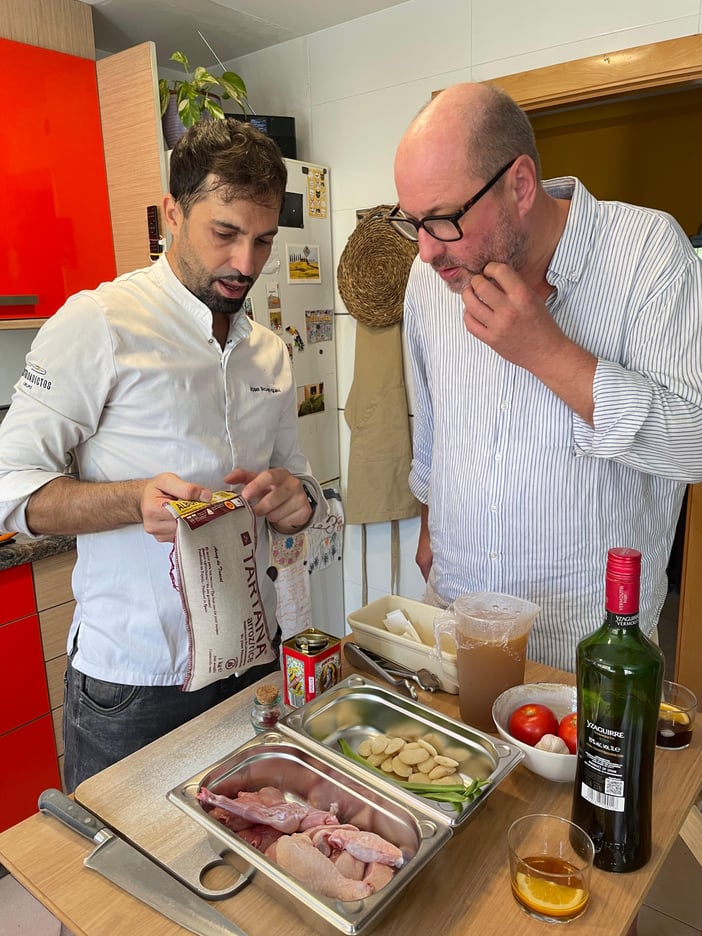 ★★★★★
Jose welcomed us into his home like old friends, everything ready for the workshop.
Annick · Belgium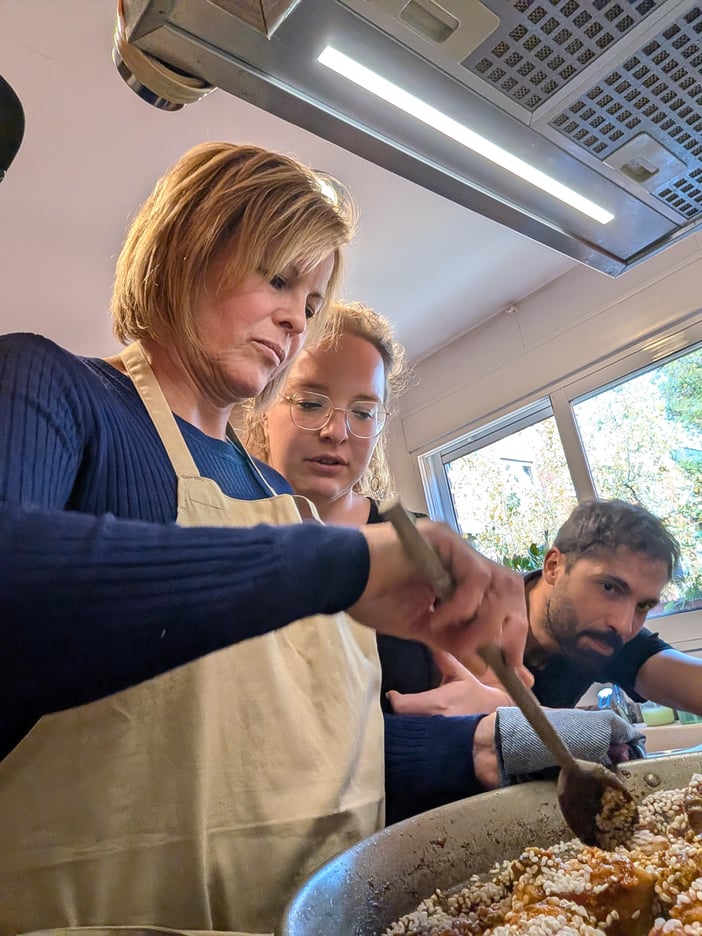 ★★★★★
A wonderful experience! Jose was informative, friendly and welcoming, sharing loads about cooking, Spain and culture. Cooking in his home felt so authentic. Highly recommend!
Lenesa · United Kingdom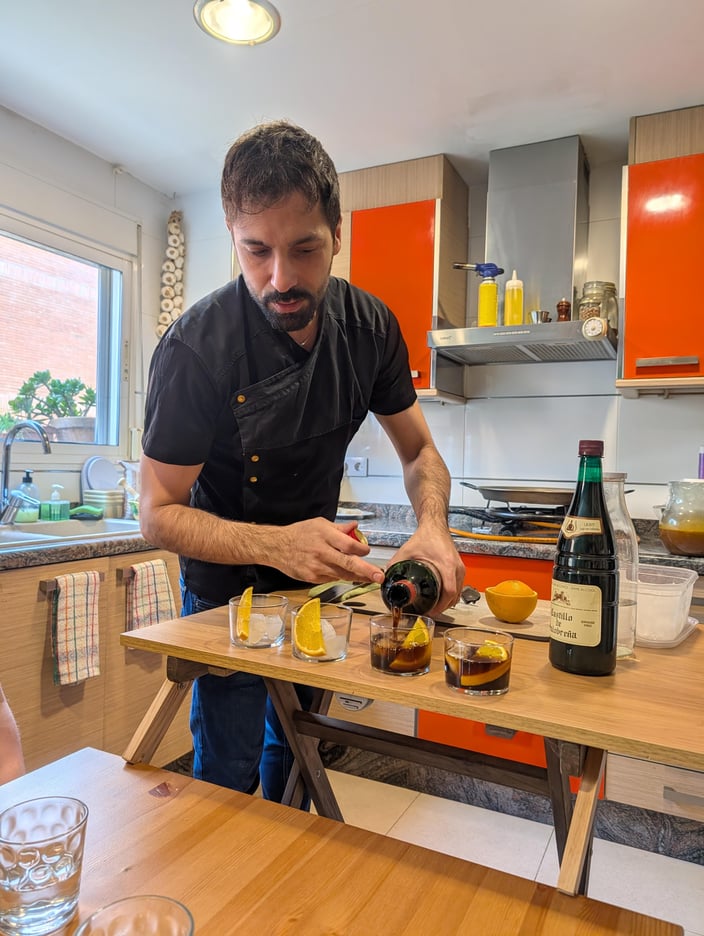 ★★★★★
Jose is a great host who lives what he does. Authentic, humorous, full of detail, his passion is contagious. Four wonderful hours in a small group. Our Valencia highlight!
A traveler · Germany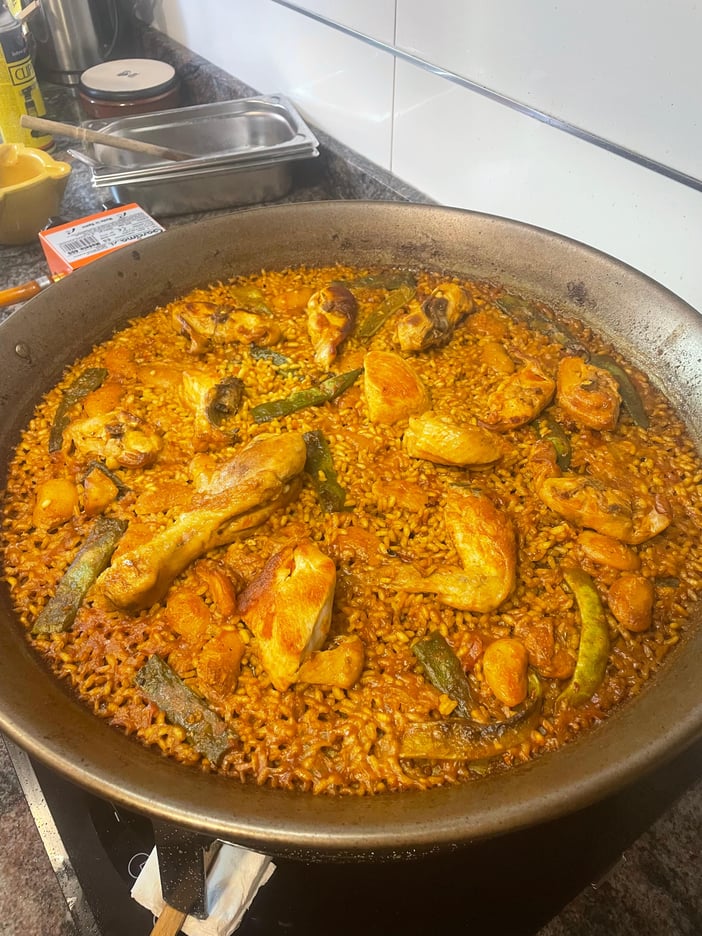 ★★★★★
Such a charming, fun way to learn! José showed us fresh sangria, tapas and sublime paella, sharing Valencian culture along the way. Thank you for opening your home!
Michelle · Switzerland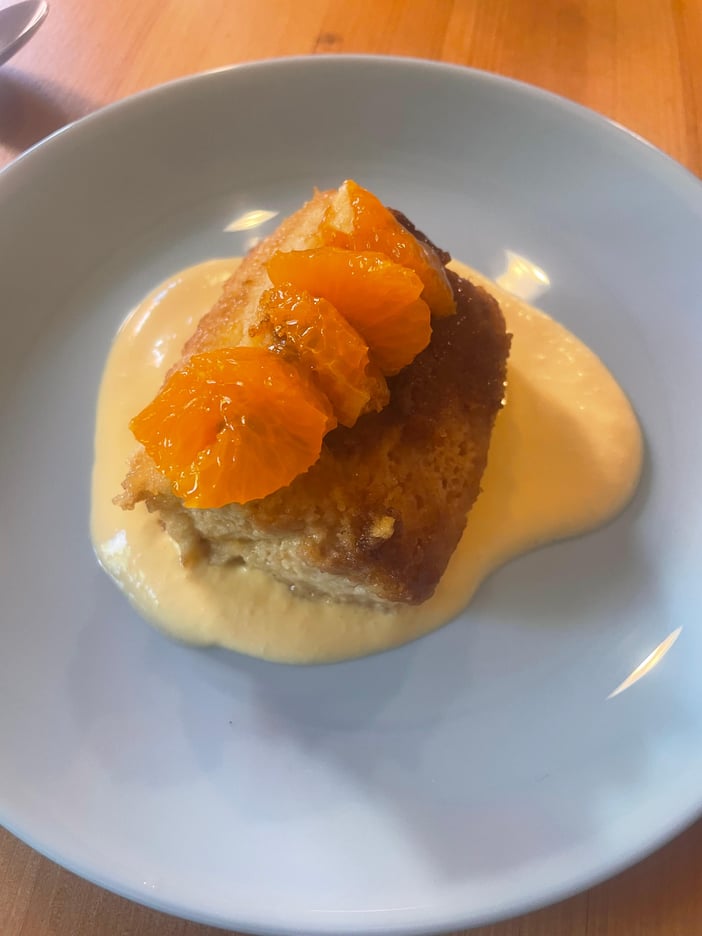 ★★★★★
Jose is so kind and professional. Brilliant experience, we learned loads of tricks and the paella was the best I've.
Eva · Spain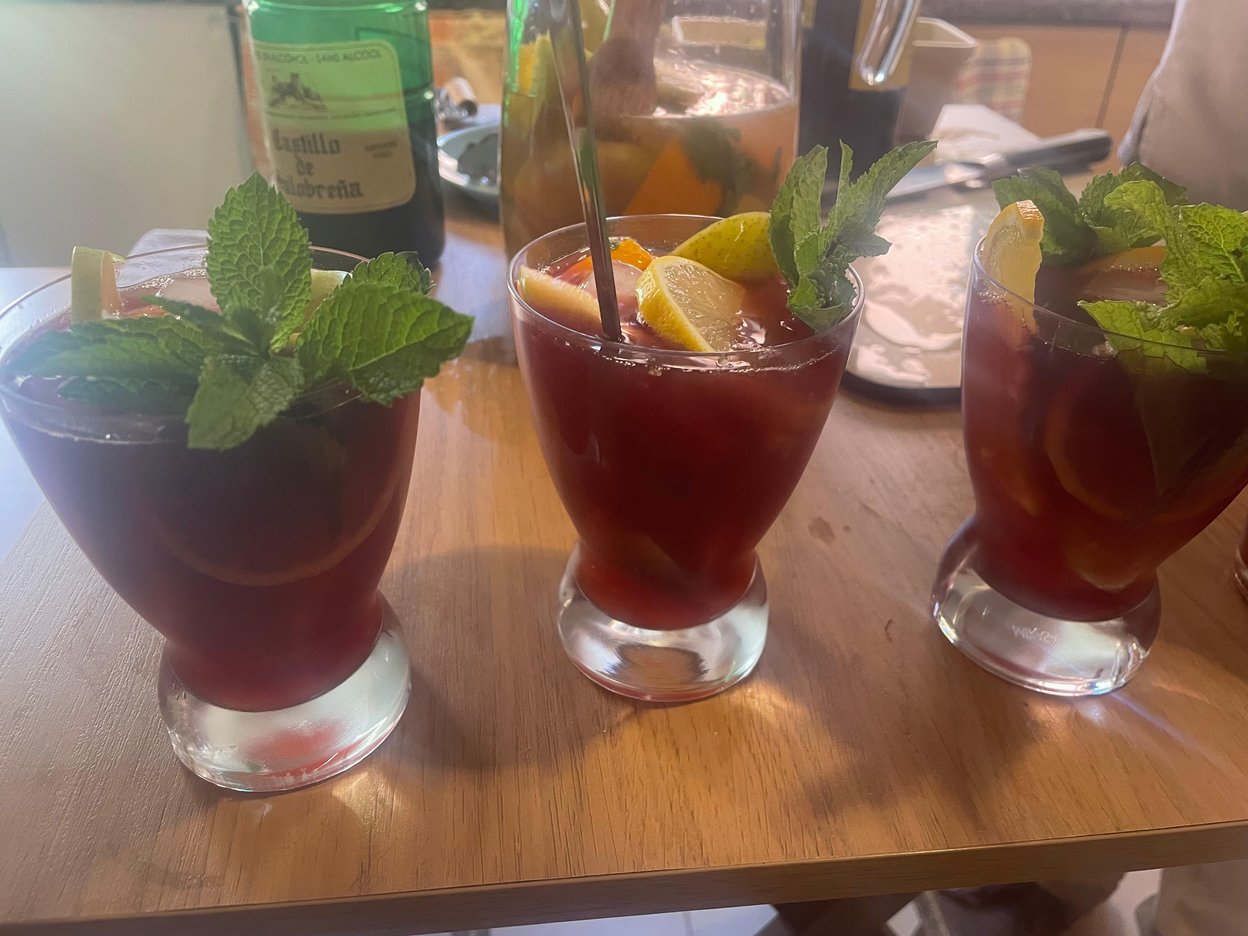 ★★★★★
We compared paella class options and chose 'Every Day is Sunday' over big-group classes. Sangria, tapas and delicious Valencian paella in Jose's home. Best day of our cruise!
A traveler · United Kingdom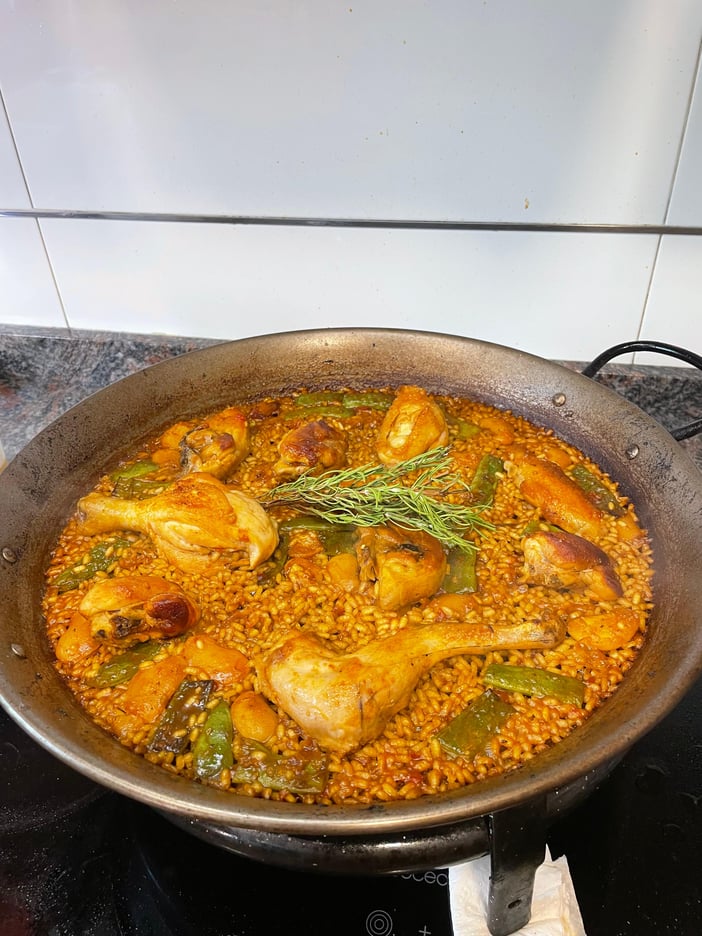 ★★★★★
Exceeded our expectations! Jose is a fabulous host and cook, sharing Valencia's history and culture. Loved helping make paella, plus his homemade sangria. LOVED this experience!
Patty · United States
What a private paella workshop in Valencia is and why it's worth it
The pan is wider than the table it sits on, the rice hisses, and nobody in the room is a stranger.
That is the whole case for a private class: a chef who answers only to your group, a pace set by you, and the right to ask the same question three times without embarrassing anyone.
Restaurants make you reserve days out and pre-order your rice by the morning of your visit. A private class flips that: you decide the menu, the timing, and who stands where. The recipe goes home with you, because hosts share it after the session so you can cook the dish at home.
Know your paella before you cook it.
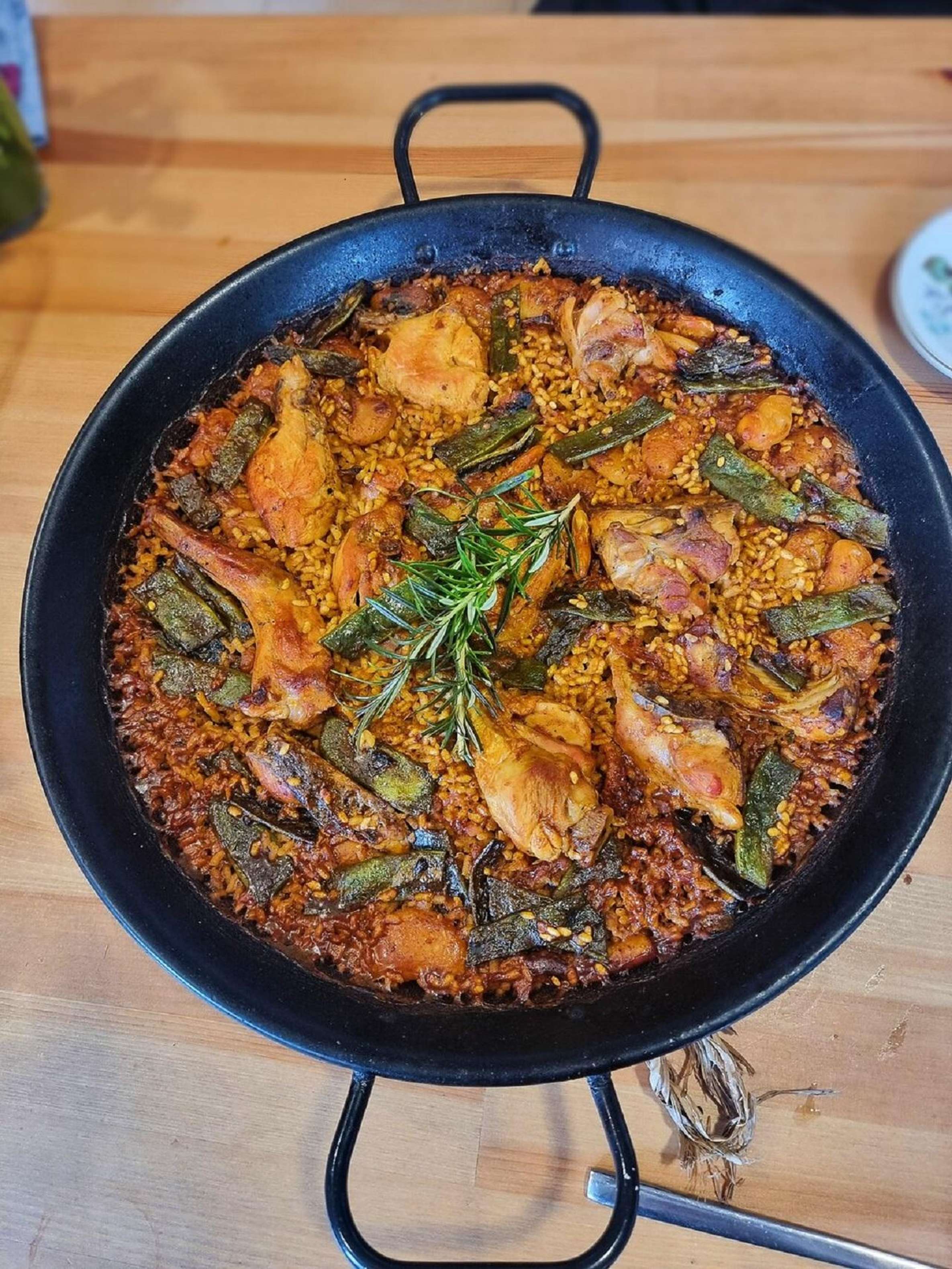
Valencians count true Paella Valenciana as land meat and beans only; they call seafood versions arroz de marisco, and mixing chorizo into the pan counts locally as a small crime. ::myths What people wrongly assume The original paella is seafood | Valencian purists define the authentic version as chicken, rabbit and beans, and treat seafood rice as a separate dish.
A solo traveler is shut out by two-person minimums | Sit-down restaurants set a two-person minimum per pan, but a cooking class gets you a fresh paella without it, or you find single portions at the paella bars in Russafa.
You can order traditional paella whenever you like | Restaurants that cook it properly make it to order and often want your choice in by the morning.
- Closed-toe, non-slip shoesProtects your feet from hot oil splatters and dropped kitchen tools while standing near open gas flame burners.
- Long pants or jeansShields legs from spitting hot oil when frying meat and sofrito vegetables over wide burner rings.
- Fitted top with modest coverageAvoids dangling fabric near open gas flames while keeping arms protected from popping oil.
- Casual, stain-tolerant fabricsOlive oil, tomato sauce, and saffron easily stain clothing, so select everyday garments you do not mind washing.
- Hair tie or bandSecures long hair away from gas flames and cooking pans during hands-on kitchen preparation.
- 1Antic Palau d'En Boumuseum1 min walkDirections
- 2El Micalethistoric place1 min walkDirections
- 3Plaza Milagro del Mocadoretmuseum1 min walkDirections
Show all 10 places
- 4Set Espai d'Artmuseum1 min walkDirections
- 5Diocesan Cathedral Museum of Valenciamuseum1 min walkDirections
- 6Palacio de Fuentehermosahistoric place2 min walkDirections
- 7La Finca més Estreta d'Europasight2 min walkDirections
- 8Plaza de la Reinahistoric place2 min walkDirections
- 9Estatua del Protector de la Banderahistoric place2 min walkDirections
- 10Turia Fountainsight2 min walkDirections
- 1Museu de les Ciències Príncipe Felipemuseum18 min driveDirections
- 2L'Umbraclepark or garden19 min driveDirections
- 3Fosses de Paternahistoric place25 min driveDirections
- 4Casa de la Sirenahistoric place28 min driveDirections
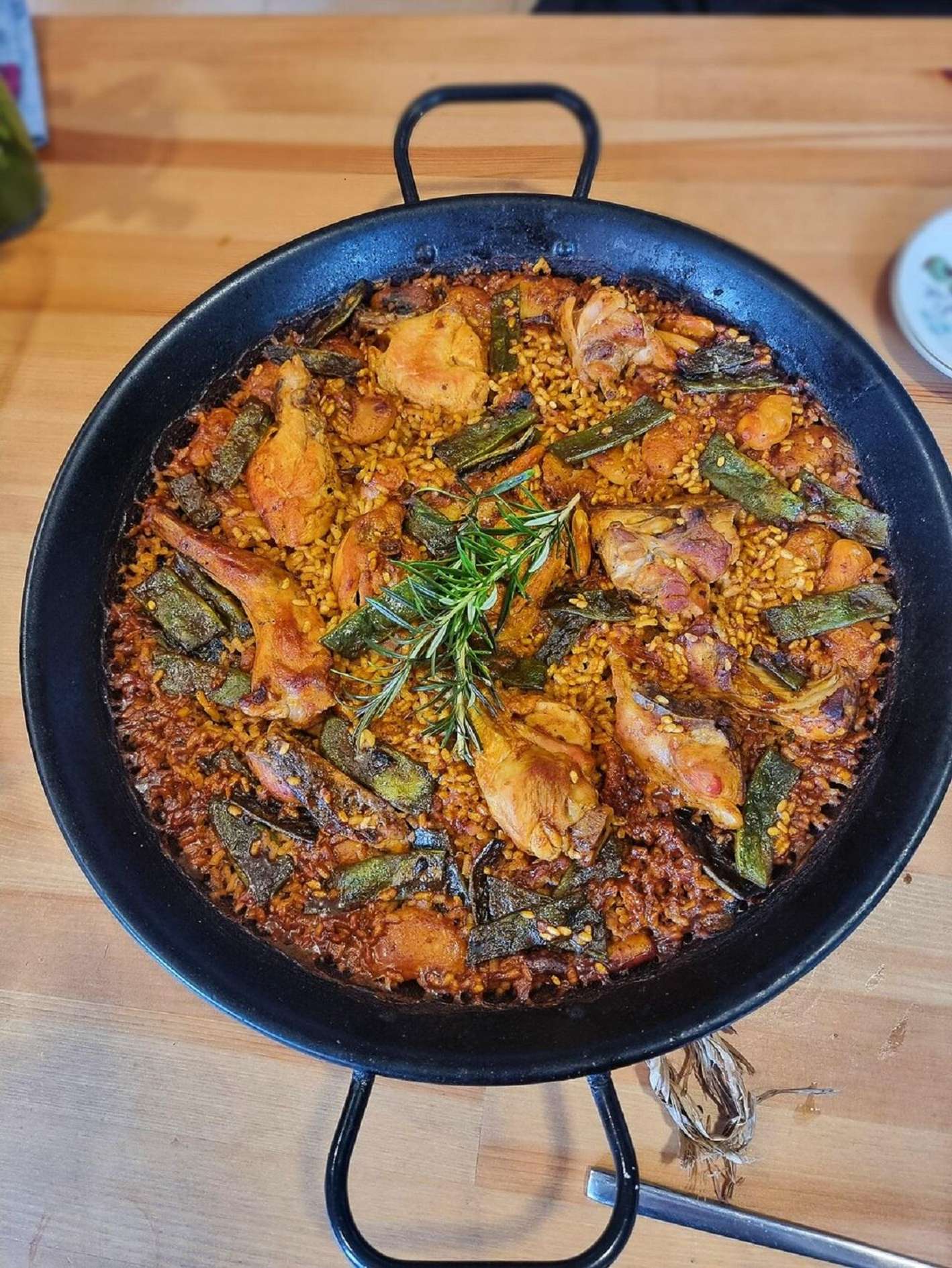
When to go - paella class times and the best months
Paella in Valencia is a lunch dish, full stop.
Classes start in the late morning, after the local snack window called esmorzaret runs its course between 10 am and noon, and the cooking is timed so you sit down to eat between 2 and 4 in the afternoon. ::w2 Morning kitchens feed the midday meal, the way the city has always eaten it.
Evening workshops run on Spanish dinner hours, starting around 8 pm or later, and by then every municipal market has shut, so they cook with ingredients sourced earlier in the day.
Season matters more than you would expect. July and August push daytime highs past 30 degrees, and you stand beside a burner for part of the session, so travelers who cook in summer pick air-conditioned kitchens.
Spring and autumn sit closer to 20 to 25 degrees, comfortable cooking weather. ::w5 Autumn is the busy stretch: September and October fill up fastest, while July and August quiet down and some neighborhood itineraries change, since one market near the kitchens closes for all of August.
September: 5 out of 5 for how busy it gets.
Tap a month to read it.
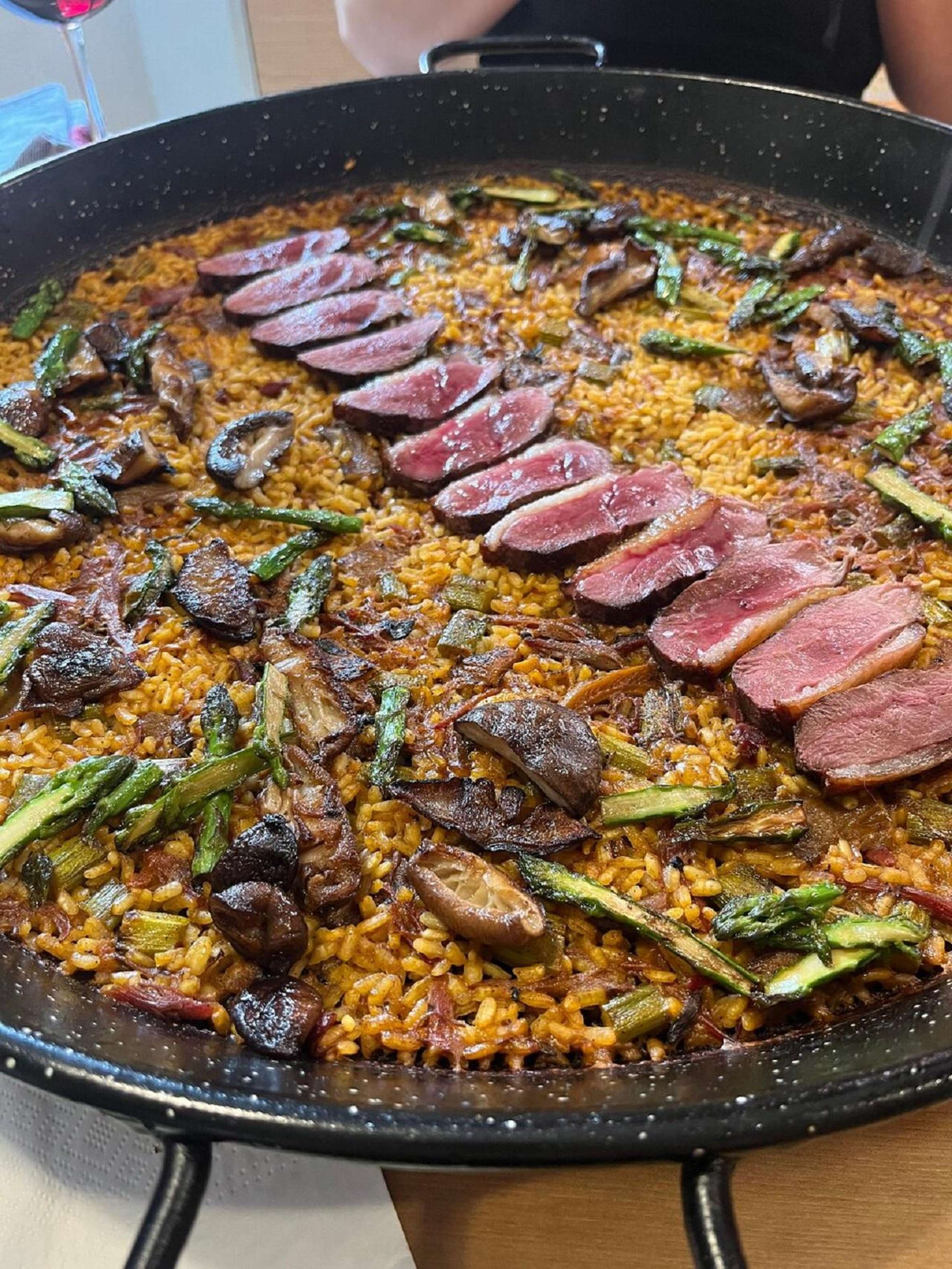
What happens to the market visit on Sundays and holidays
Book a Sunday and the market is simply gone from the plan. Mercat Central runs Monday to Saturday from 7:30 am to 3 pm and closes on Sundays and bank holidays, along with Mercat d'Algirós.
The class does not cancel. You skip the market walk and gain extra cooking time instead, with sessions running about half an hour shorter than the market version.
Monday stays a full market day too, even though seafood stalls work with a reduced selection after no Sunday fishing deliveries. ::alert What can derail the market walk Both municipal markets close every Sunday and public holiday, shut daily by 3 pm, and Mercat d'Algirós closes for the whole of August | Plan your market visit for a Monday-to-Saturday morning, or accept a kitchen-only session with more cooking time
- A guide with youLive tour guide
- Free cancellationCancel up to 24 hours in advance for a full refund
- Book now, pay laterReserve your place and pay closer to the date
- A small groupSmall group
- Skip the ticket lineIncluded
- Hotel pickupNo, you meet at the start
- Your languageEnglish, Spanish
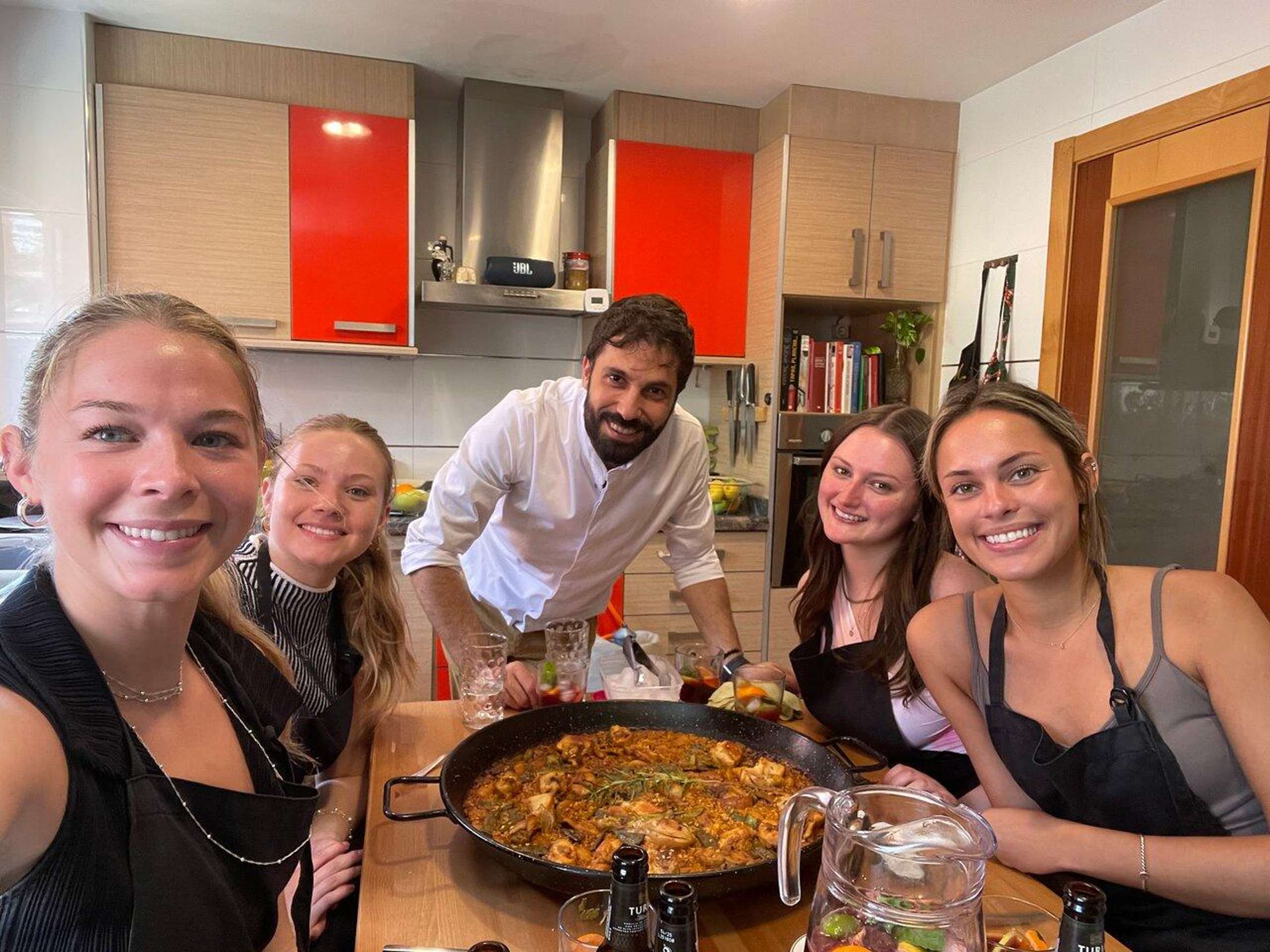
How to get to the class and where you meet the chef
Meeting points for market-to-kitchen classes sit in the Old Town, Ciutat Vella, and the old town has a quirk: the metro never penetrates its interior. You ride to a perimeter station such as Xàtiva, Colón, Ángel Guimerá or Plaça d'Espanya and walk the last stretch.
Buses go deeper. EMT lines 4, 11, 27, 31, 32, 60, 62, 70 and 73 drop you inside the historic center. If your kitchen is in Ruzafa instead, walk from Colón, Xàtiva or Plaça d'Espanya, take Metro Line 10, or catch bus lines 6, 14, 18, 40 or C3.
The private session on this page opens differently: the chef meets your group in the old town and leads a ten to fifteen minute cultural walk to his kitchen, so the introduction doubles as a short history of the streets you pass.
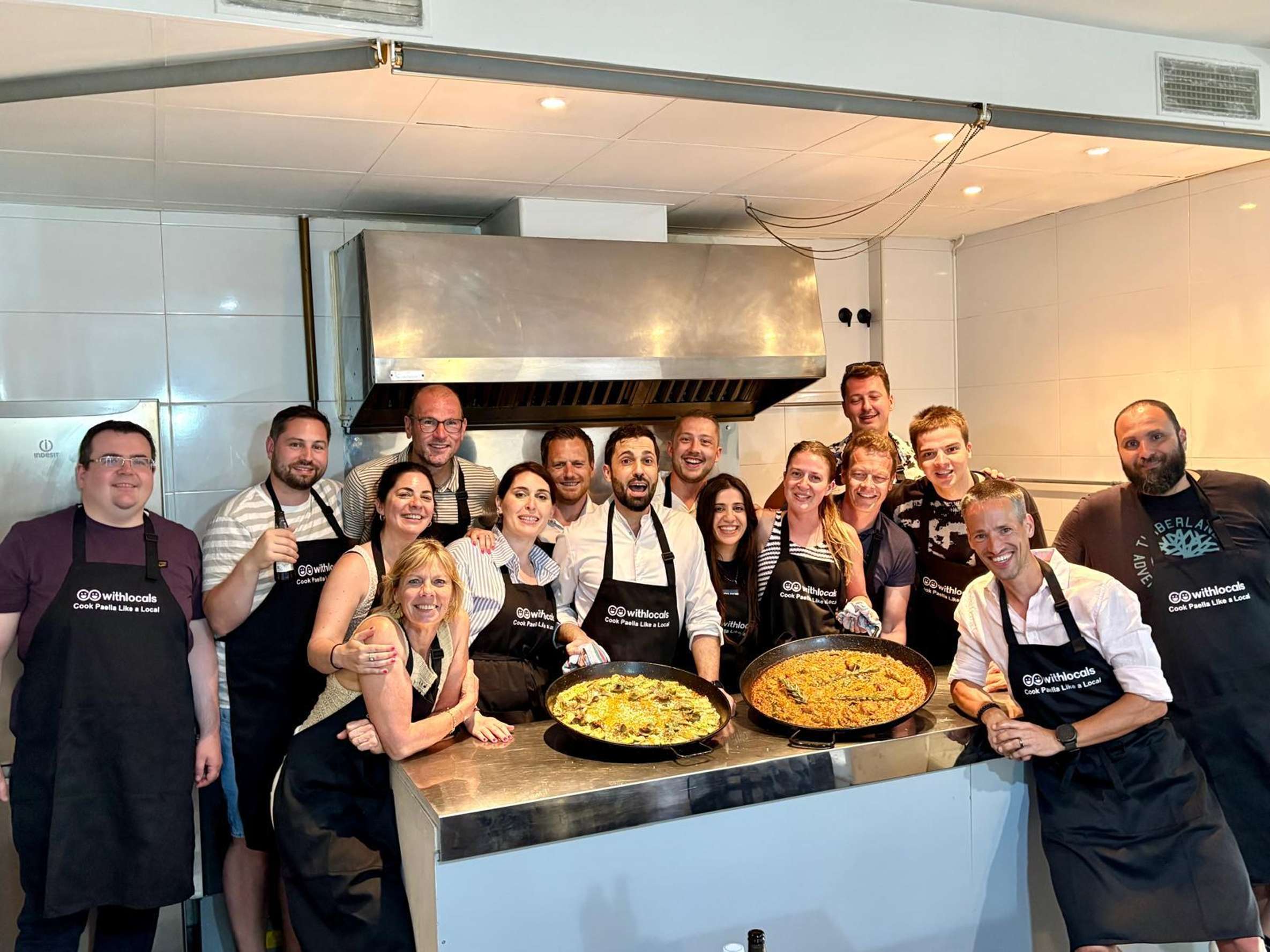
What to wear to a paella cooking class
The pan sits on an open gas flame, and the first minutes of frying meat send oil popping. That decides the outfit before anything else does.
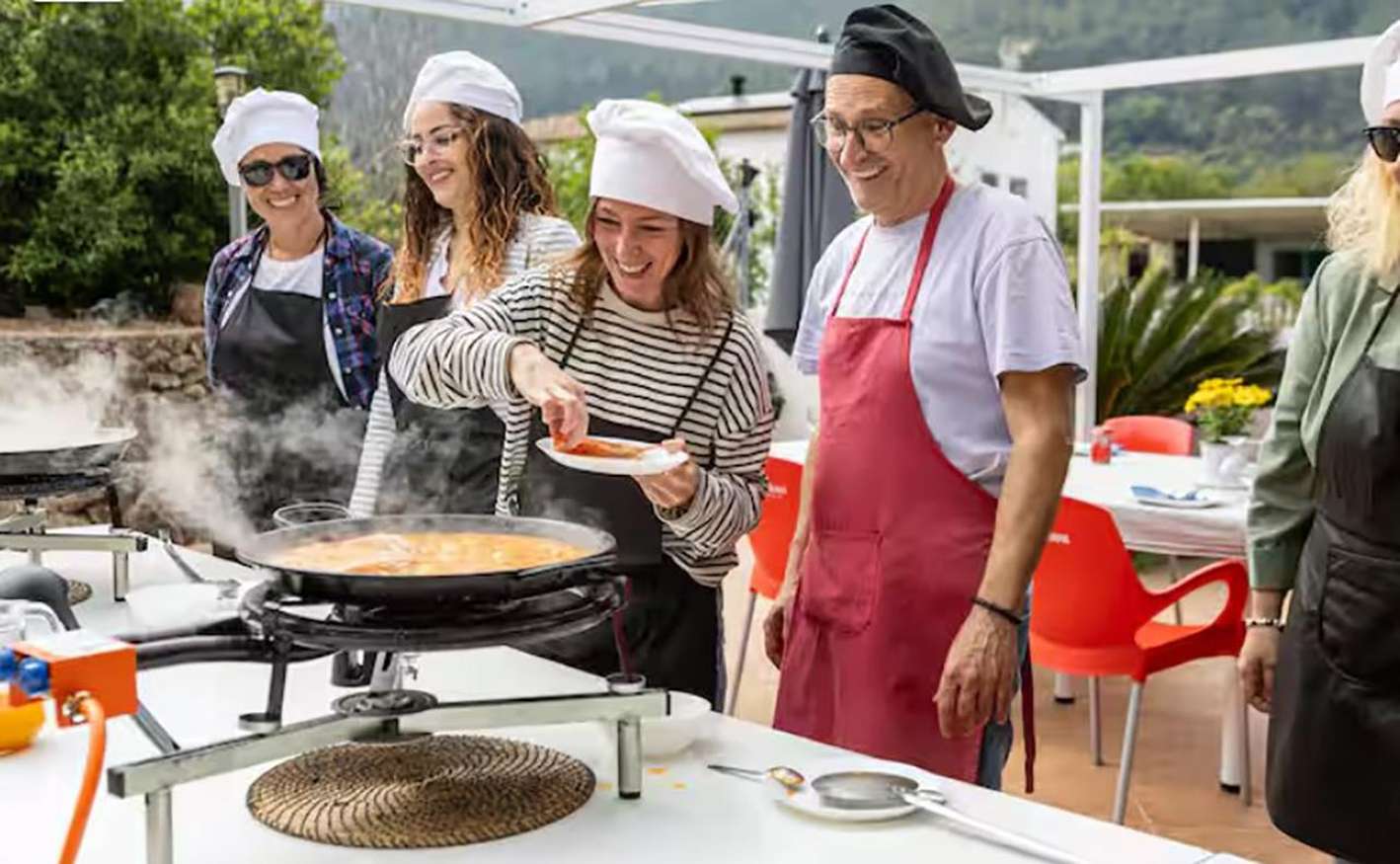
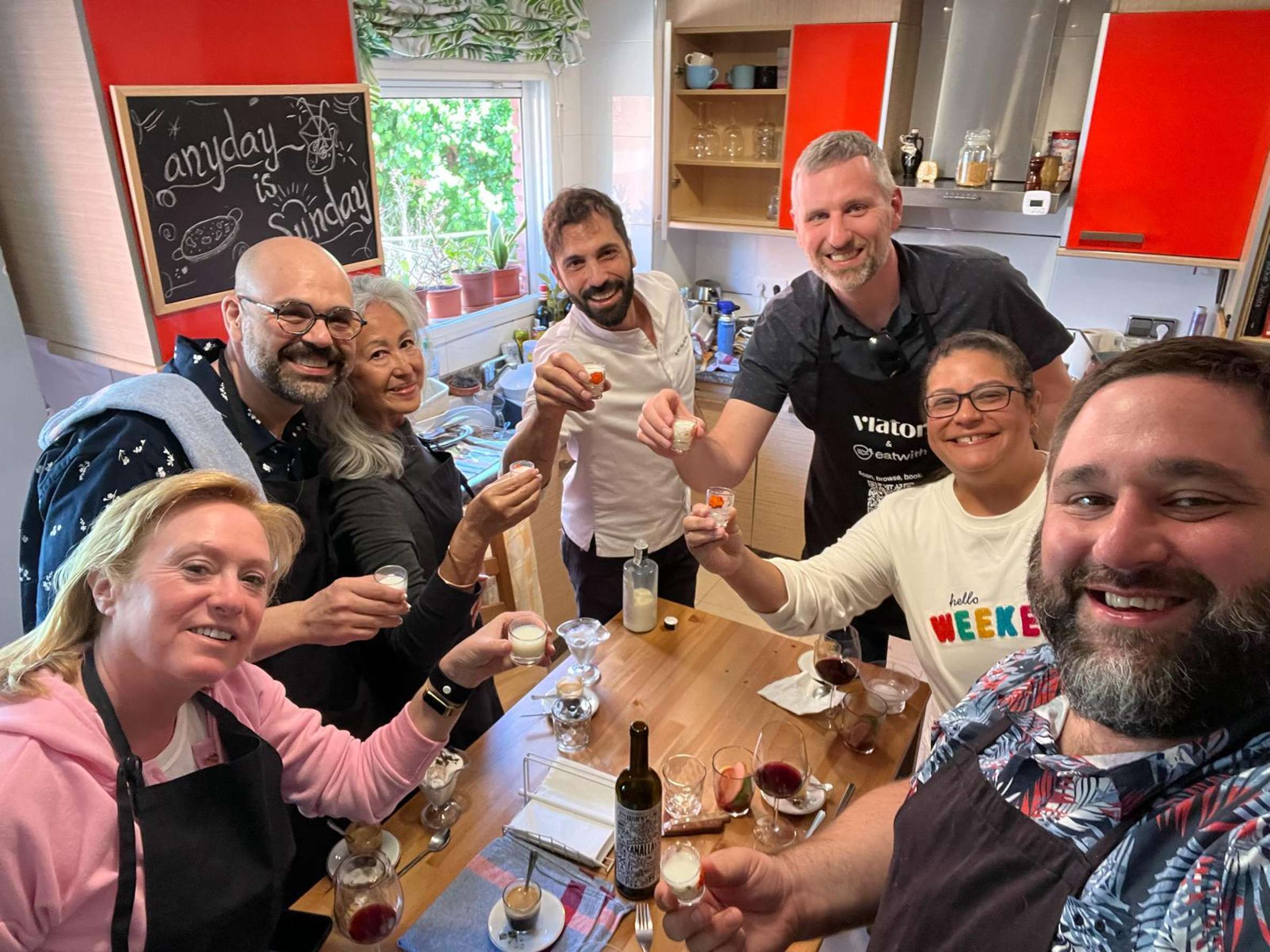
Closed-toe shoes come first, then long pants and a fitted top without loose sleeves. Casual clothes you would happily stain make more sense than anything you would mourn: olive oil, tomato and saffron all leave marks. The host supplies an apron, so the work clothes stay yours. ::w1
How chefs handle vegetarians and vegans in the same class
A shared class forces a compromise; a private one does not. The menu is settled before the session, during planning with the chef, which is exactly where the private format earns its keep.
When half your table eats meat and half does not, the chef runs a vegetable paella with vegetable stock alongside the meat dish. Vegan guests cook their own dedicated pan at their own workspace, so nobody shares equipment or a broth they would rather avoid.
The same logic covers simpler preferences. Vegetable and vegetarian versions exist on request across Valencia's workshops, and classes that split into groups let each traveler choose a style: classic Valencian, seafood, or vegetarian. In a kitchen reserved for your party, nobody at the table gets talked into something they did not want.
Market shopping and ingredient preparation start after the local mid-morning snack.
Cooking completes so dining coincides with the traditional Valencian lunch period.
Dinner workshops start after municipal markets close and finish during Spanish dinner hours.
Which classes work for children and guests with limited mobility
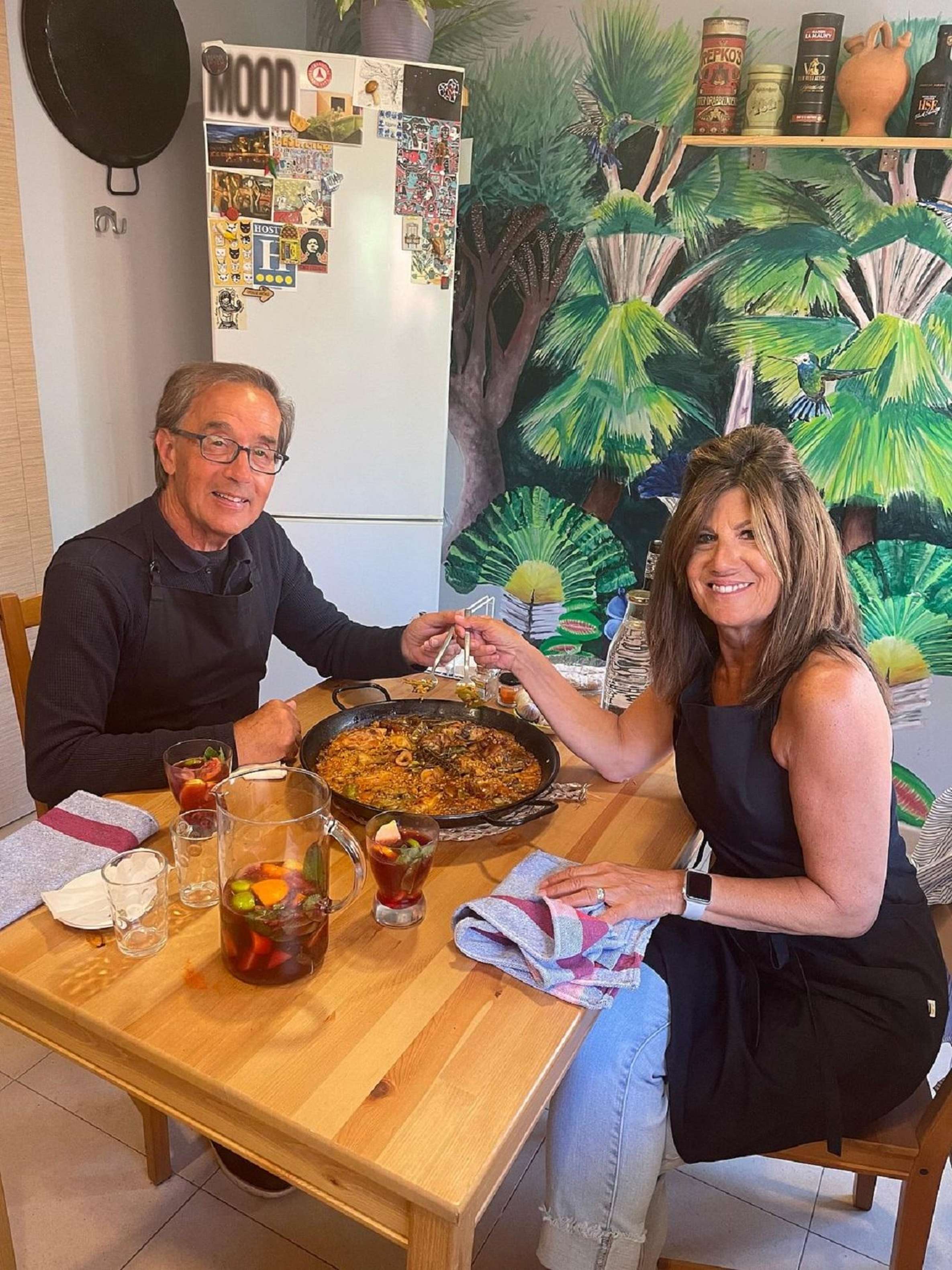
Age rules vary more than most families expect. Workshops accept children across bands covering ages 3 and under, 4 to 11, and 12 to 17, but some classes bar children aged 4 and younger, and one vegetarian-friendly class is unsuitable for anyone under 2.
So ask about the age limit while there is still room to switch. A private session helps here too: the chef plans with you in advance, and hands-on tasks can go to whoever wants them.
Mobility works the same way. Some central kitchens have wheelchair-accessible facilities, and a few near Town Hall Square offer step-free rooms with lowered preparation tables and knee clearance, so a guest can cook seated.
Certain providers let anyone choose between cooking and simply watching, which suits a group where not everyone intends to stand at a burner for hours.
Your paella class step by step, from market to socarrat
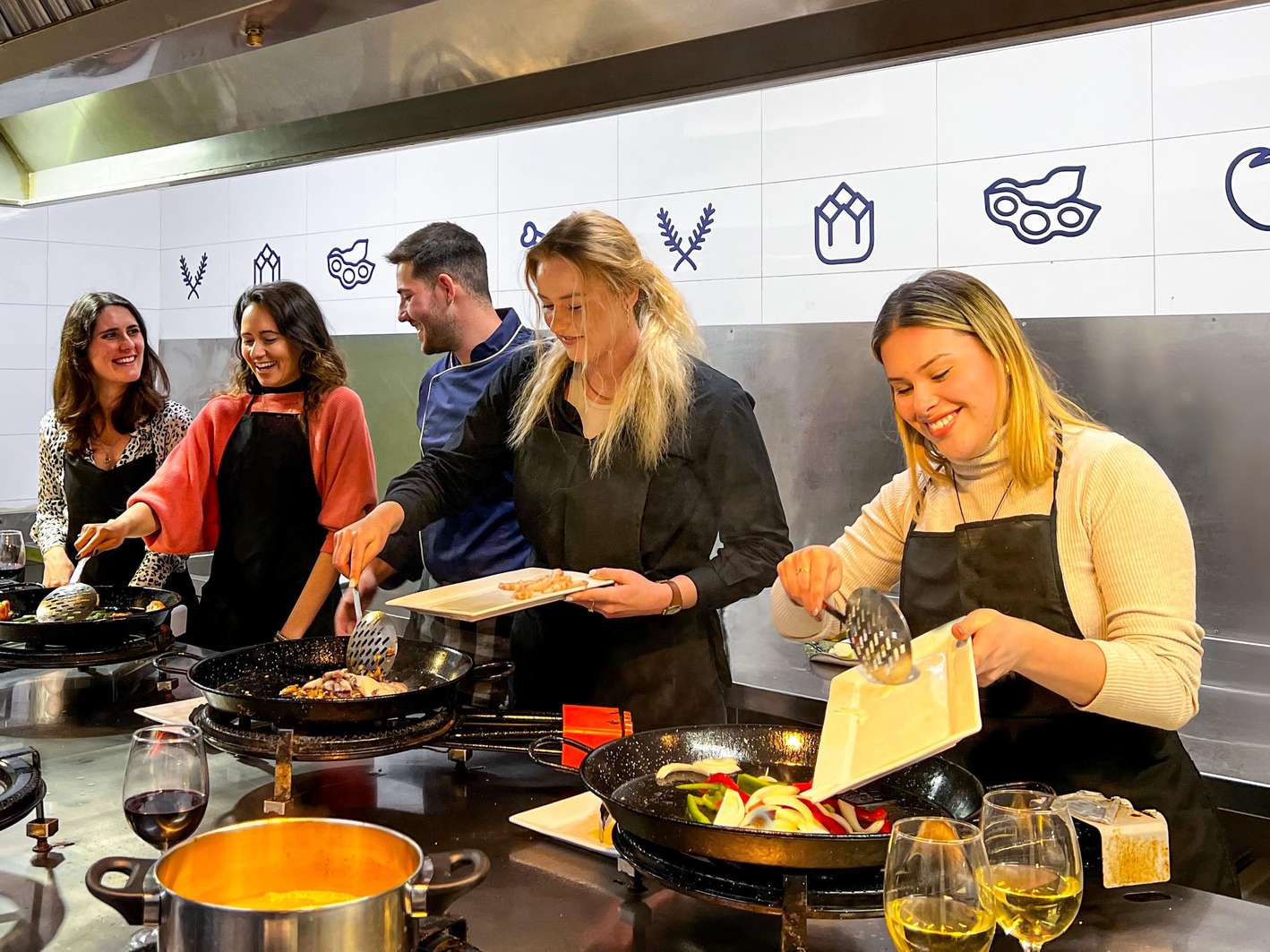
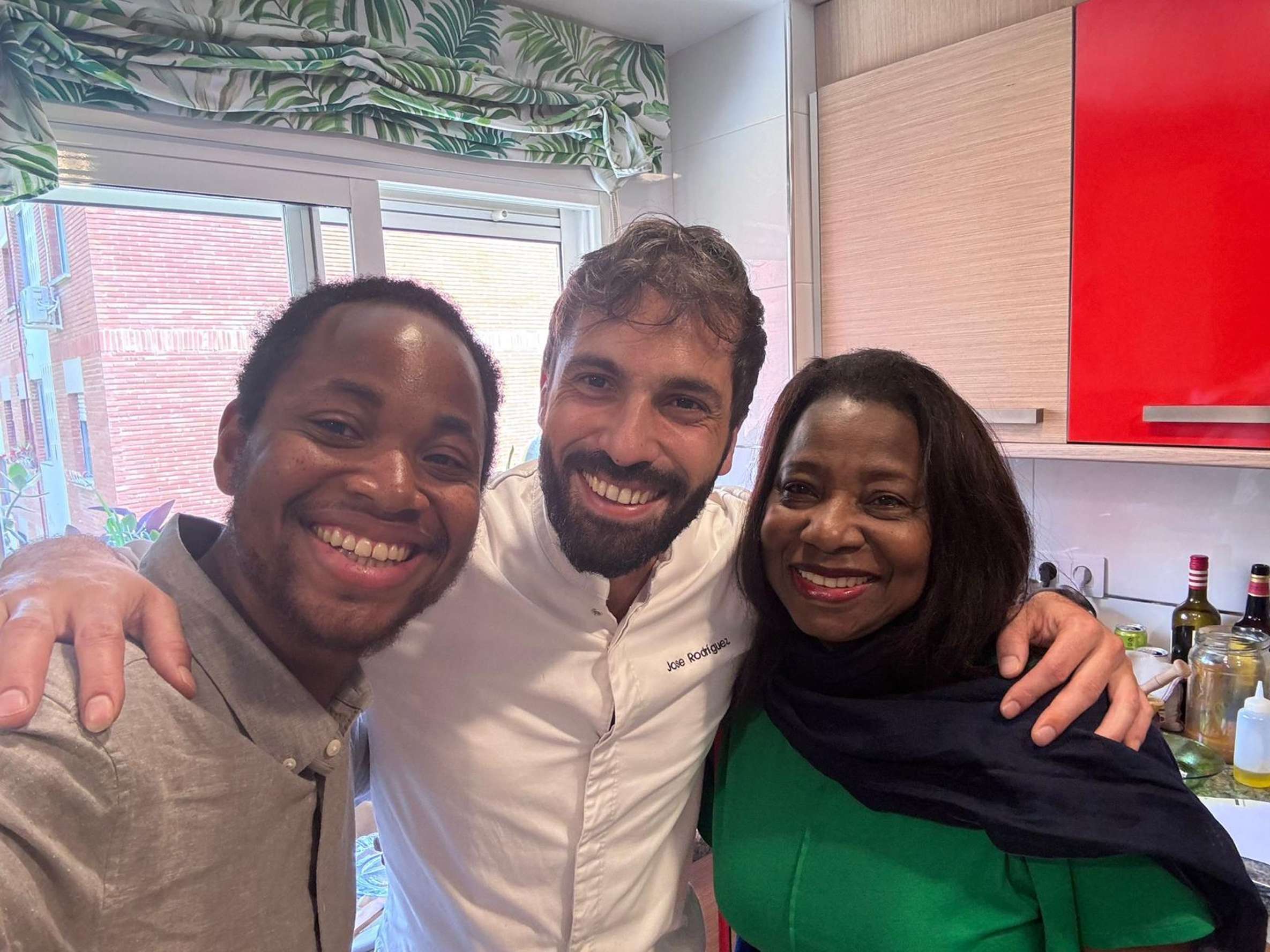
The morning often opens at a market stall, Ruzafa or Mercado Central, choosing beans, meat and produce for the pan. Back in the kitchen, work begins at your station: tomatoes grated for the sauce, garrofó lima beans shelled, green beans snapped.
Then the fire. Olive oil and salt go into the pan, chicken and rabbit brown and get pushed to the edges, the beans caramelize in the center, and a sofrito of tomato and sweet paprika goes down into everything. Water, saffron, a sprig of rosemary, and the stock simmers until it nearly runs dry.
Rice goes in and stays untouched for 18 to 20 minutes, roughly five on high heat, five on medium, and five to eight on low, never stirred after it spreads into a thin layer about a centimeter deep.
The socarrat, the caramelized crust Valencians prize, announces itself: the boil turns to a gentle crackling, the heat holds another minute or so, and the pan comes off to rest. ::timeline How the day unfolds Late morning | Market shopping and prep at the stations | Grating tomato, shelling garrofó beans Midday | Sofrito, simmer and the high-heat boil | About 20 minutes of undisturbed rice Early afternoon | The communal meal from the pan | Sangria, tapas and wine flow through the session
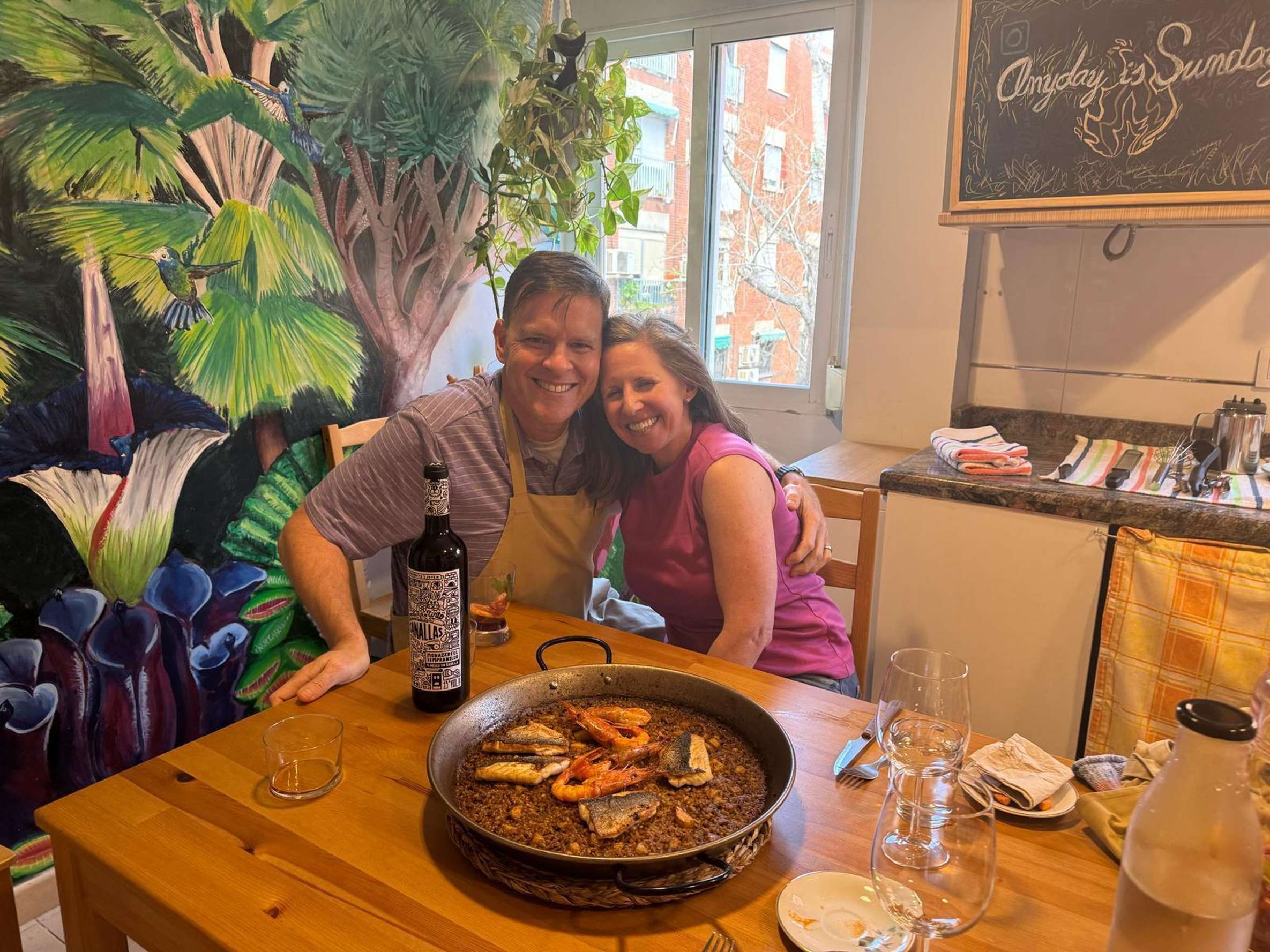
Eating follows its own etiquette. Everyone takes a wooden spoon and claims a wedge, working inward from the edge, never spinning the pan, and the socarrat at the bottom gets scraped and shared fairly.
A private class or cooking paella yourself - which suits your group
The do-it-yourself version has a hard limit: an indoor stovetop heats only a central ring and handles pans for about four people. Beyond that you need an outdoor space with an open-flame gas burner, a stand and a gas cylinder, plus someone to set up and break it all down.
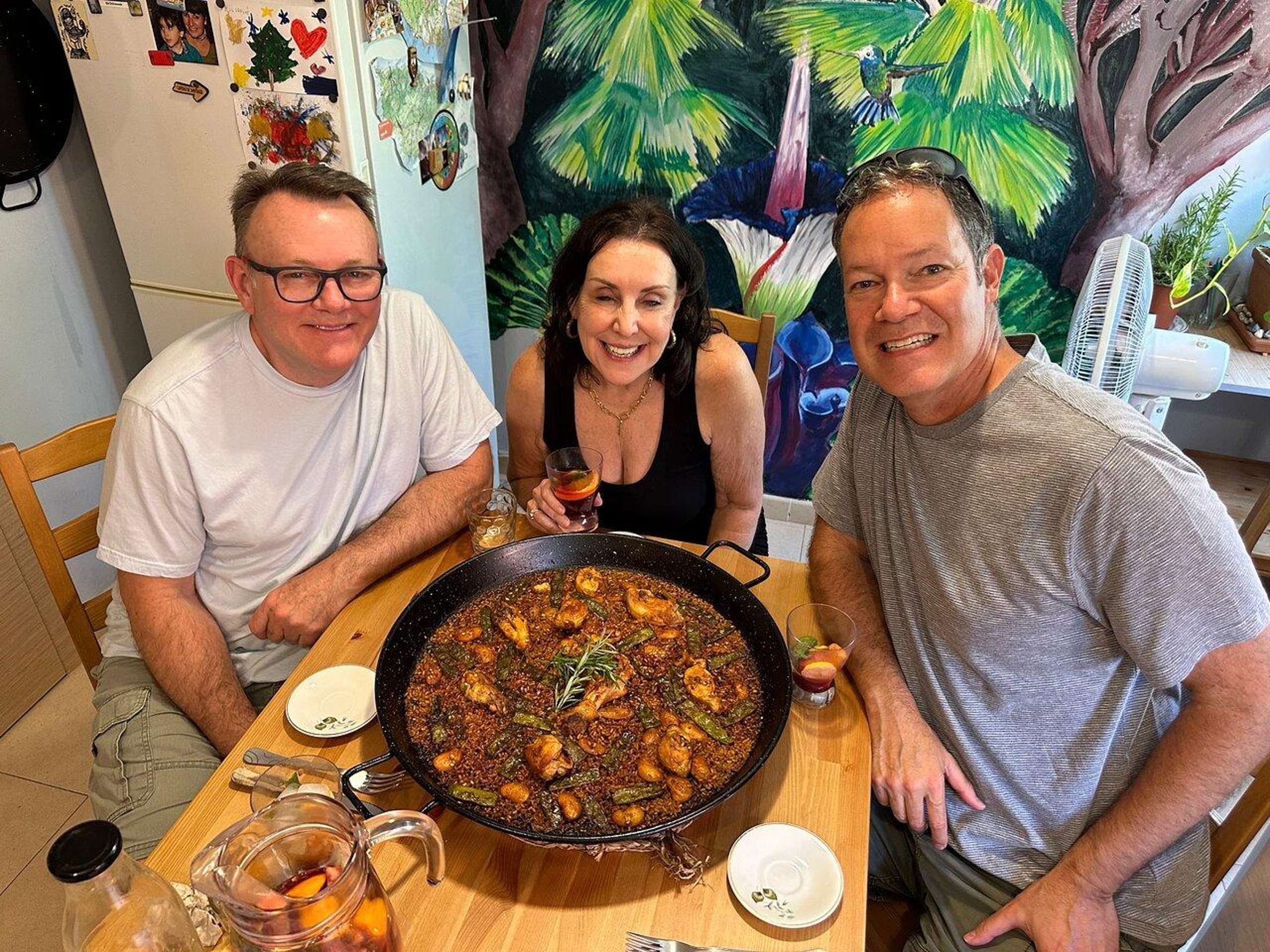
A hired private chef takes over exactly those problems, setting up on a terrace or outdoor space and clearing everything afterwards. One class on this page, Only for You, Private Paella Class (Also at your home), even brings the format to your own place, with five rice dishes to choose from and dessert to close.
For company groups the format stretches further: private workshops can run as team cook-offs, with teams racing under time pressure, ingredient challenges, a jury tasting and an award for the winning paella. At home, remember the burner problem travels with you: a wide pan on a standard stove leaves the edges undercooked.
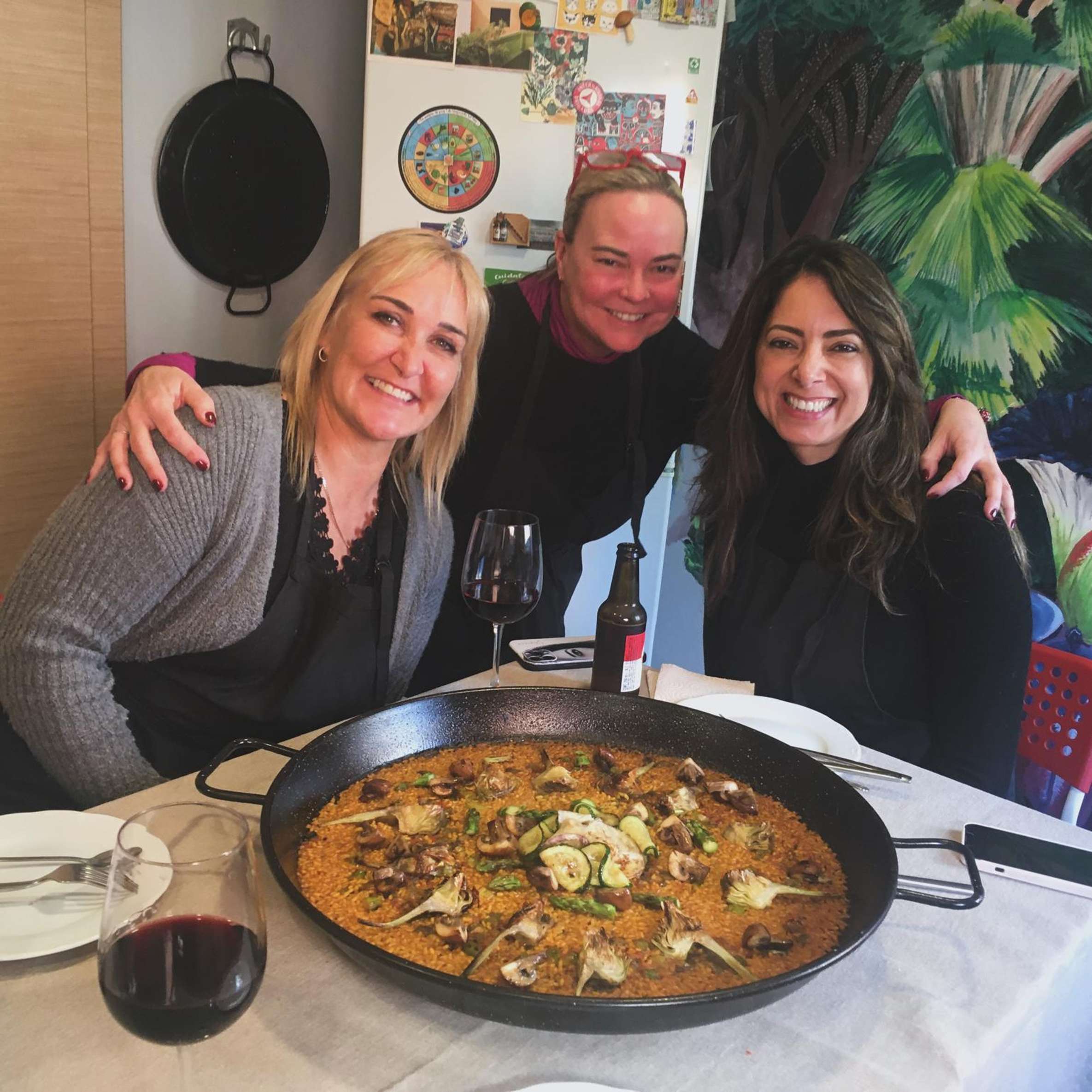
What to check before booking a private paella class
Sessions differ on five things that matter: whether a live instructor stands with you, cancellation terms, when you pay, how small the group stays, and the language of instruction. English teaching is widely available for private sessions; public workshops often run bilingually in English and Spanish instead.
Minimum numbers are the quiet trap.
Traditional workshops need at least two participants, sometimes two per paella type, and if the threshold is not met you choose a new date, a different session, or a full refund. ::w4 The private class this page leads with answers yes to the live guide, free cancellation up to 24 hours ahead, reserving now and paying later, small group, and English instruction.
Hotel pickup is the one no: you meet at the start.
Pans are the last thing to pin down. Reading the experience description before booking tells you whether you get individual pans, paired pans, or one communal pan for the group.
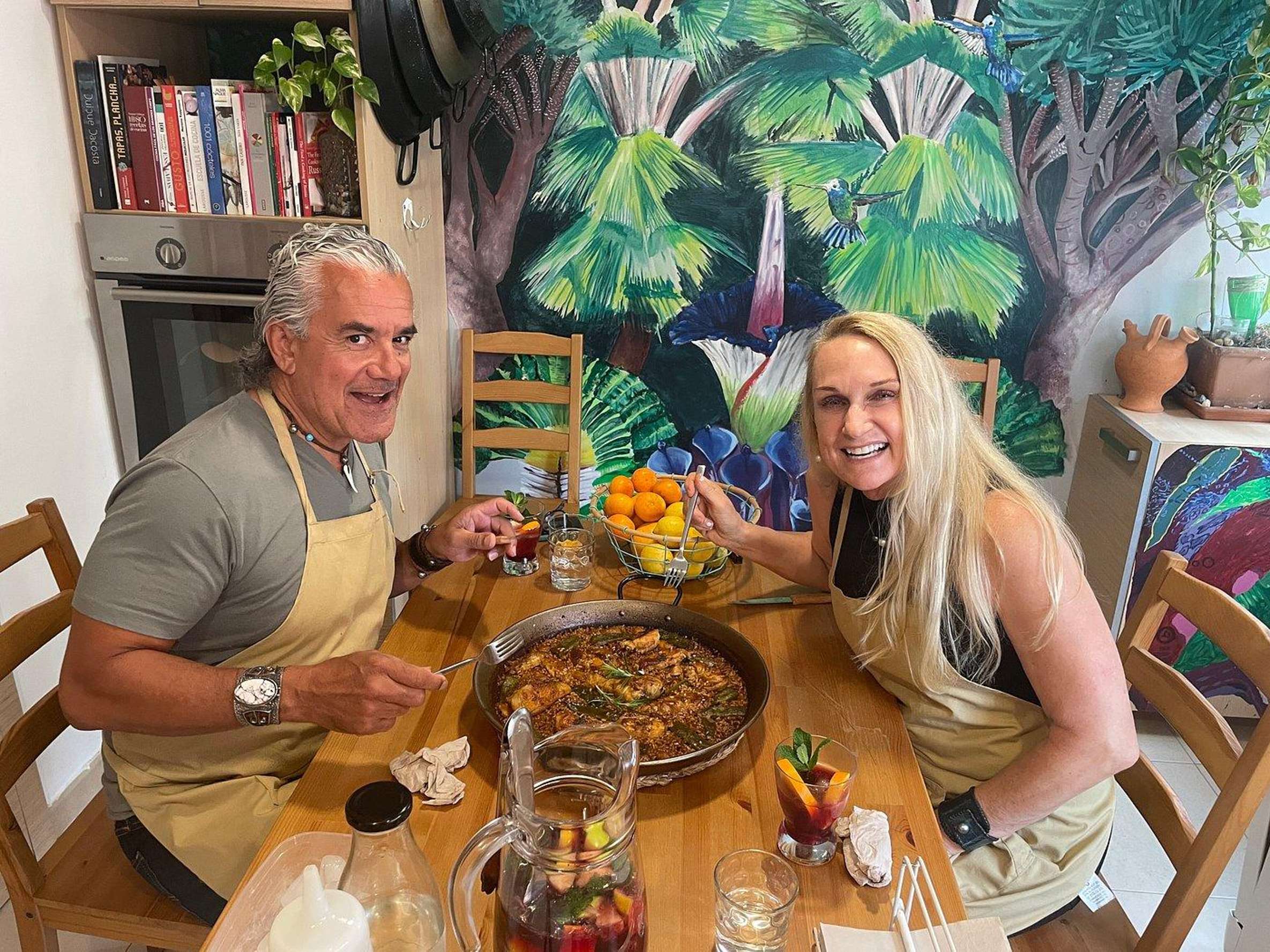
What to see and do near the cooking studio in Ciutat Vella
A class that starts late in the morning and ends with lunch leaves you the whole afternoon, and Ciutat Vella hands it back to you almost for free.
The cathedral's El Micalet tower, the Diocesan Cathedral Museum, and Plaza de la Reina all sit within a couple of minutes on foot. ::w3 The same stretch holds smaller finds, like La Finca més Estreta d'Europa, billed as the narrowest house in Europe.
If you have a car and a spare morning, the science museum Príncipe Felipe is about eighteen minutes by road, the L'Umbracle garden close behind.
And a note for anyone traveling alone: restaurants almost everywhere in Valencia enforce a two-person minimum per pan, but the paella bars in Russafa serve single portions of made-to-order rice. Your class covers the rest of the week.
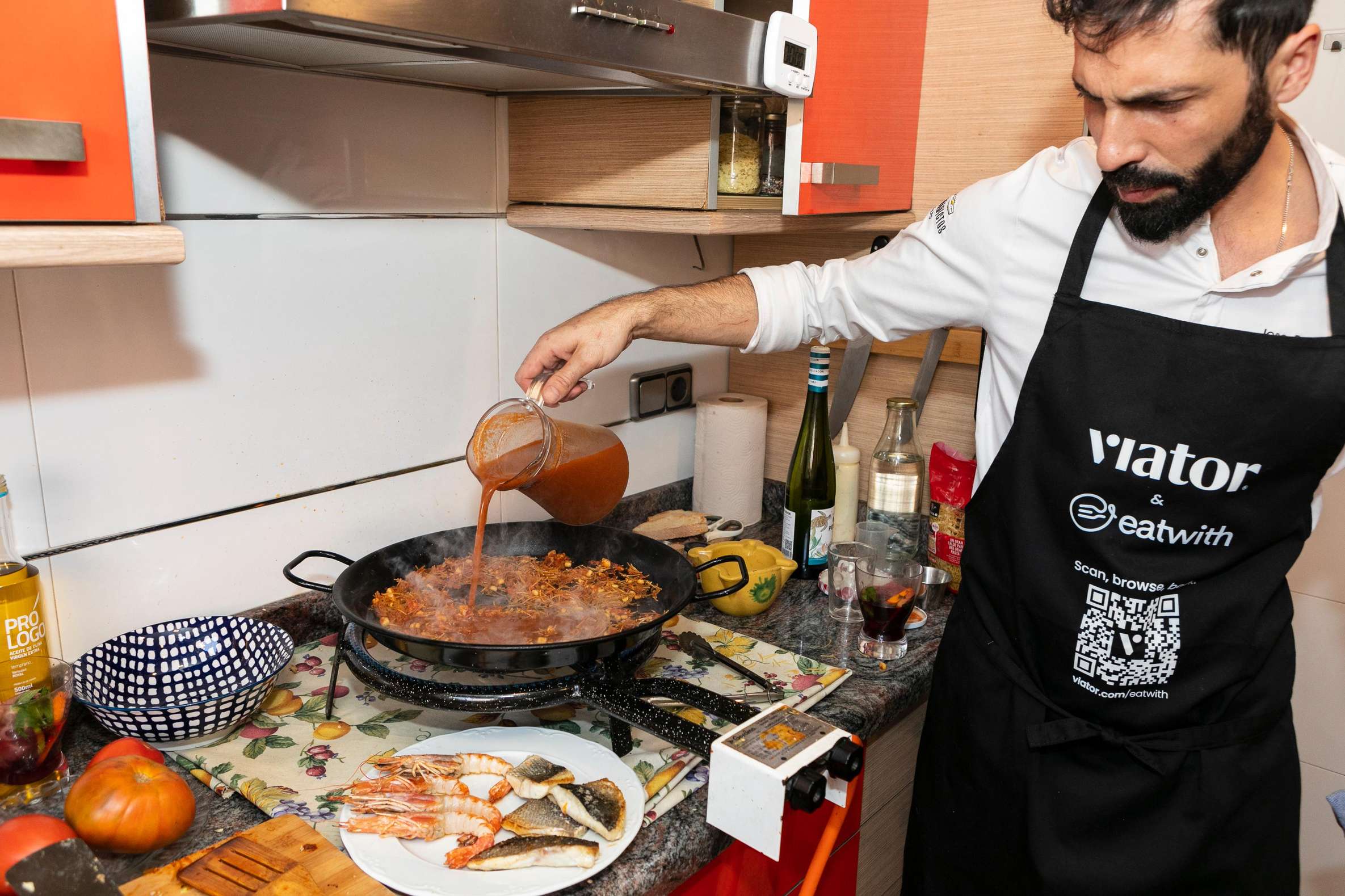
What to know before you book a private paella class
The private class runs for parties of 2 to 6 people, so it suits couples, families and small groups rather than large events. Book only when your whole party fits that range.
Sessions run from 11 am to 3 pm, which follows the local way of eating: paella is the main midday meal in Valencia. That schedule puts you at the table during standard lunch hours, between 2:00 and 4:00.
You meet the chef in the old town, then walk about 10 to 15 minutes with him to his kitchen. The walk doubles as a short cultural and historical introduction to the neighborhood.
Once your booking is confirmed, the chef contacts you directly to plan the menu and note any dietary restrictions. The class covers five rice dishes, and you can choose from four authentic recipes, so a mixed party can agree on the menu in advance.
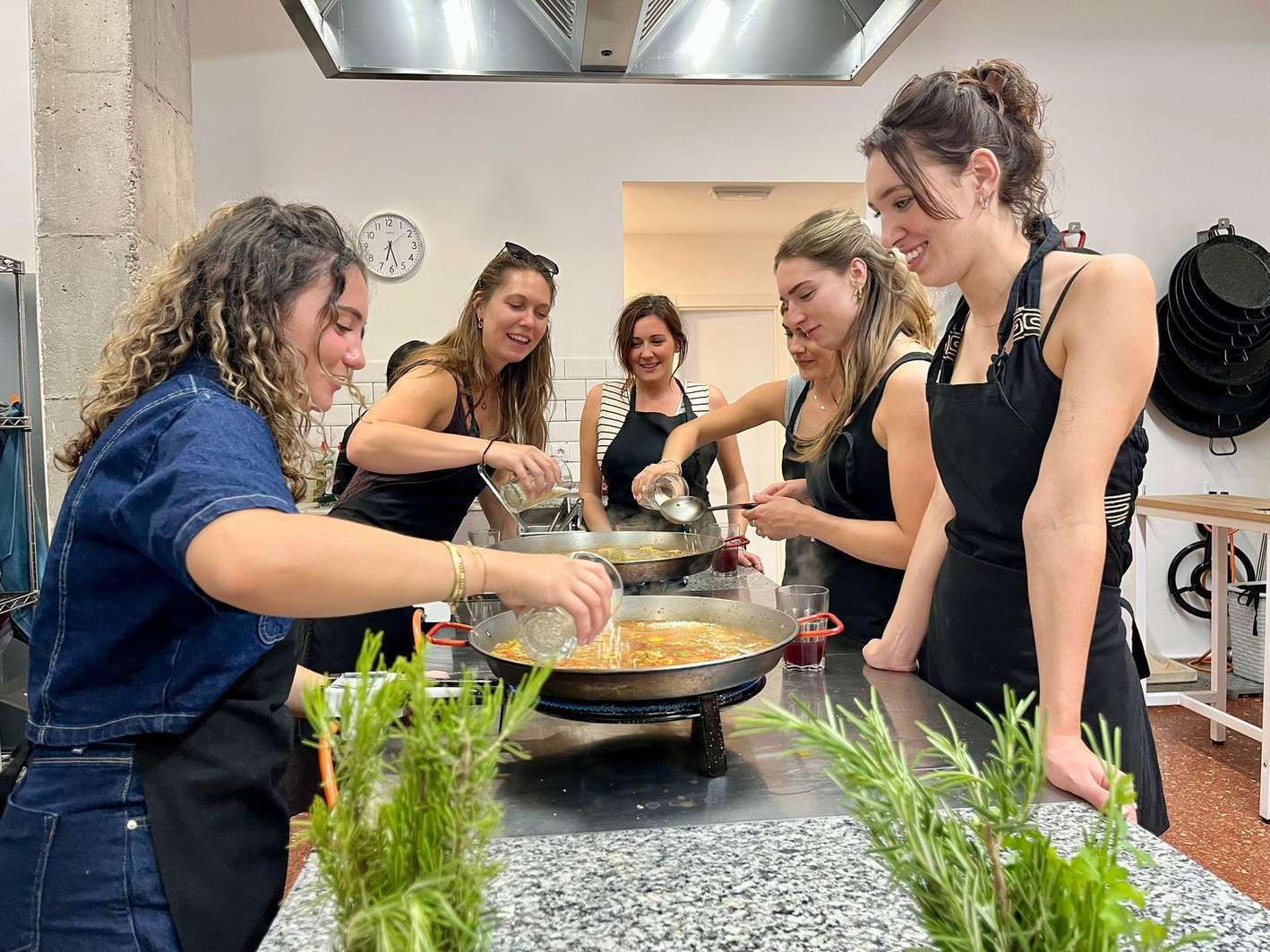
The venue is yours alone for the whole session, and the format is 100% private and personalized. You can cook each step yourself or watch the chef prepare parts of the dish, whatever suits your group.
Wear casual clothes you do not mind getting messy, plus closed-toe shoes, since cooking happens around open gas burners with hot oil. Long pants and fitted tops without loose sleeves help, and the workshop provides kitchen aprons.
The session covers a welcome aperitif, the full cooking class with all ingredients, an open bar with local wines, Valencian beer, fruit juices and soft drinks, dessert, and a recipe book to take home.
You can cancel up to 24 hours in advance for a full refund, which leaves room if your group's plans are still moving around.
The instructor is a Valencian chef trained in Michelin-starred restaurants, and he teaches paella in five simple steps you can then adapt to your own taste. With no strangers in the kitchen, there is time for every question.
Worth it for the group that wants the room to itself
If your party wants one kitchen, one chef and a menu agreed in advance, the private session delivers it, in English, over 2.5 hours with a walk from the old town to start.
Anyone traveling solo who is happy in a shared kitchen, or set on a countryside farmhouse with orange groves, does better with one of the small-group classes instead.
Private paella cooking class in Valencia - your questions answered
Can a private class handle vegan guests and meat eaters in the same session?+
Yes. The group agrees on dietary restrictions during menu planning before the session. The chef prepares a vegetable paella with vegetable stock alongside the meat dish, and vegan participants cook their own dedicated pan at an individual workspace.
What time does a private paella class run?+
Sessions follow Valencia's midday meal culture. Cooking starts in the late morning, after the esmorzaret snack window that runs from about 10 am to noon, so the group sits down to eat between 2 pm and 4 pm. Daytime sessions dominate because the fresh markets close in the afternoon.
Will the chef speak English?+
Private chef instruction in Valencia is widely available in English, so a group that does not speak Spanish can follow every step and ask questions as they go.
Can we book a private class for a team event or competition?+
Private paella workshops can be tailored for corporate team-building, including competitive formats where teams cook under time pressure. Some programs add ingredient challenges, jury tasting evaluations, and awards for the winning paella, followed by a shared meal.
Do we get the recipe afterwards?+
Hosts share a detailed recipe after the workshop so you can recreate the dish at home. One chef in the old town includes a recipe book as part of the class.
Is sangria served during the cooking or only at the meal?+
It depends on the session. At many workshops, tapas, appetizers, wine, and free-flowing sangria are served throughout the cooking, while some pour water, beer, soft drinks, and wine specifically with the meal.
What happens if the class falls on a Sunday?+
Classes still run. Mercado Central closes every Sunday and on public holidays, so sessions that day skip the market walk and use the extra time for cooking in the kitchen.
Can the class come to our rental apartment?+
Some chefs cook at your own accommodation. Keep in mind that a standard indoor stovetop heats only a central ring and handles pans for up to four people. Larger groups need an outdoor space with an open-flame gas burner, a stand, and a gas cylinder.
Can one private session cover several different paella styles?+
Yes. The chef plans the menu with you beforehand, so a single session can pair a traditional meat paella with a vegetable version, or let different members of the group cook the styles they each prefer.
What should we wear?+
Dress casually in clothes you do not mind getting messy, with closed-toe shoes against hot oil splatters around the open burners. Long pants and fitted tops without loose sleeves help, and workshops typically provide aprons.
Can children join a private class?+
Rules vary by workshop. Some sessions welcome children across age bands from toddlers to teenagers, while others do not permit children aged 4 and under or are not suitable for children under 2. Check the age policy for the session you are considering before you book.